
ERELU FUNMI AYOOLA FOUNDATION (EFAF)
Organizational Portfolio
Empowering Communities. Transforming Lives. Building Sustainable Futures.
1. Organizational Overview
The Erelu Funmi Ayoola Foundation (EFAF) is a non-profit, community-driven organization established to advance inclusive human development across Nigeria. The Foundation focuses on strengthening individuals and communities through education, leadership development, women empowerment, health awareness, and social advocacy.
EFAF is founded on the conviction that sustainable development is achieved by investing in people, equipping them with knowledge, skills, opportunities, and supportive systems that enable long-term social and economic progress.
Legal Status: Non-Governmental / Non-Profit Organization
Geographical Scope: Nigeria, with plans for regional expansion
2. Vision, Mission, and Core Values
Vision
To build empowered, informed, and resilient communities where individuals are equipped to realize their full potential and contribute meaningfully to society.
Mission
To design and implement high-impact programs that promote education, leadership development, gender equity, social inclusion, and community empowerment through strategic partnerships, advocacy, and capacity building.
Core Values
- Integrity and Accountability: Upholding transparency, ethical conduct, and responsible stewardship
- Compassion and Service: Prioritizing people-centered and inclusive interventions
- Equity and Inclusion: Promoting equal opportunities regardless of gender, background, or status
- Excellence and Innovation: Delivering quality programs with creativity and continuous improvement
- Collaboration and Sustainability: Building partnerships that ensure long-term impact
3. Strategic Focus Areas
Education and Capacity Building
- Academic support and scholarship facilitation
- Skills acquisition and vocational training
- Mentorship, career guidance, and personal development
Youth Leadership and Civic Engagement
- Leadership training programs and fellowships
- Youth mentorship and civic education
- Community service and volunteerism initiatives
Women and Girls Empowerment
- Leadership and confidence-building programs for women
- Economic empowerment and entrepreneurship support
- Advocacy for gender equality and social inclusion
Health, Wellbeing, and Social Welfare
- Health education and awareness campaigns
- Social welfare support for vulnerable populations
- Grassroots community outreach and intervention programs
4. Key Programs and Initiatives
Pad a Girl Initiative
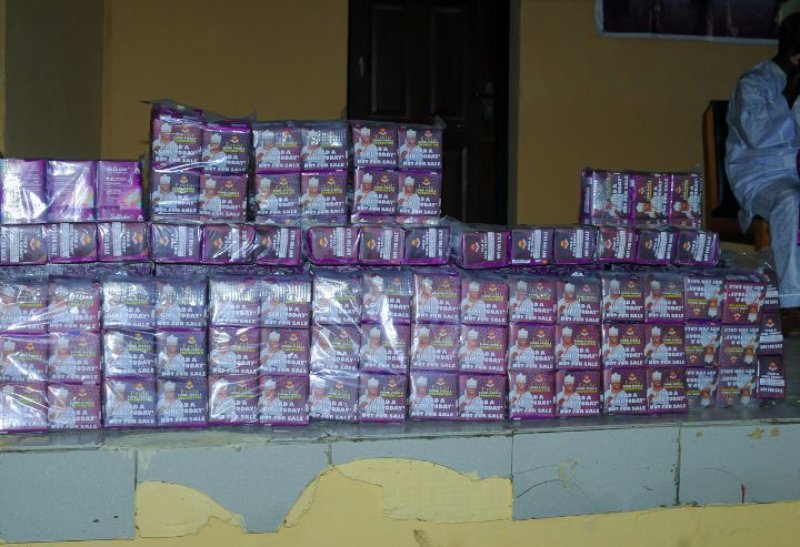
A social welfare and dignity program focused on improving menstrual health and school attendance among adolescent girls through the distribution of sanitary pads, coupled with sensitization on menstrual hygiene and self-care.
Christmas Palliative Support Programme
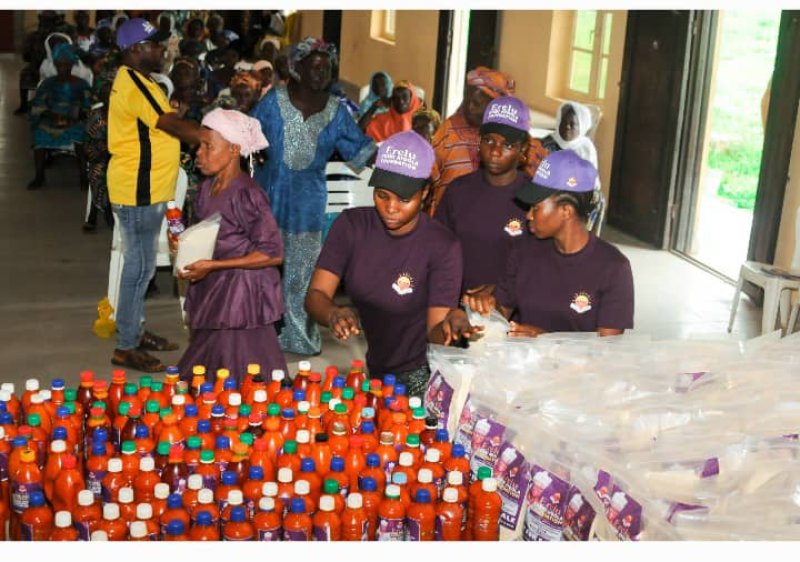
An annual humanitarian intervention providing food items and financial assistance to elderly persons, widows, and widowers, aimed at alleviating economic hardship and promoting social inclusion during the festive season.
Knowledge is Power Education Support Initiative
An education-focused program designed to enhance learning outcomes and school safety through the distribution of exercise books to students and first aid boxes to primary and secondary schools, supporting both academic performance and student wellbeing.
Ramadan Palliative Outreach Programme
A faith-sensitive community outreach initiative that delivers food items to Muslim households during the Ramadan period, promoting compassion, social cohesion, and support for vulnerable families.
Youth Drug Abuse Awareness and Prevention Programme
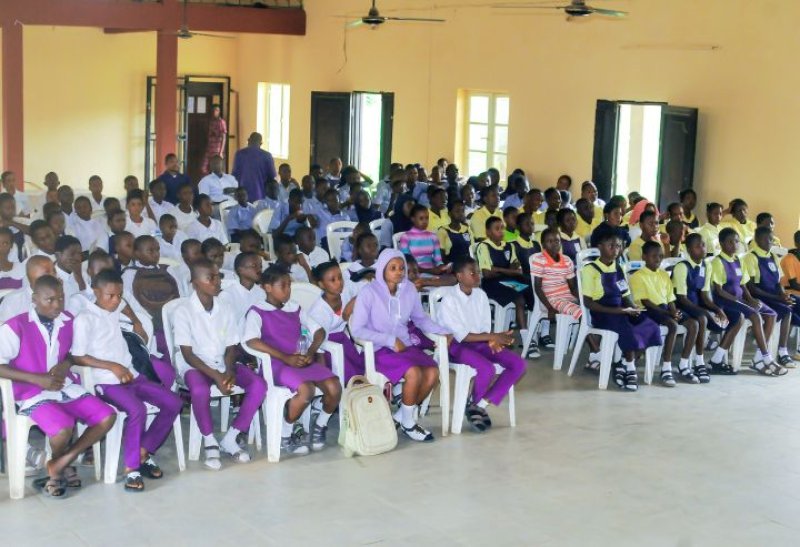
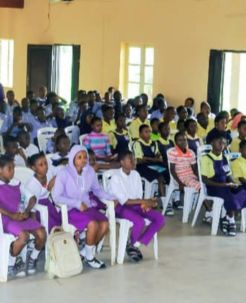
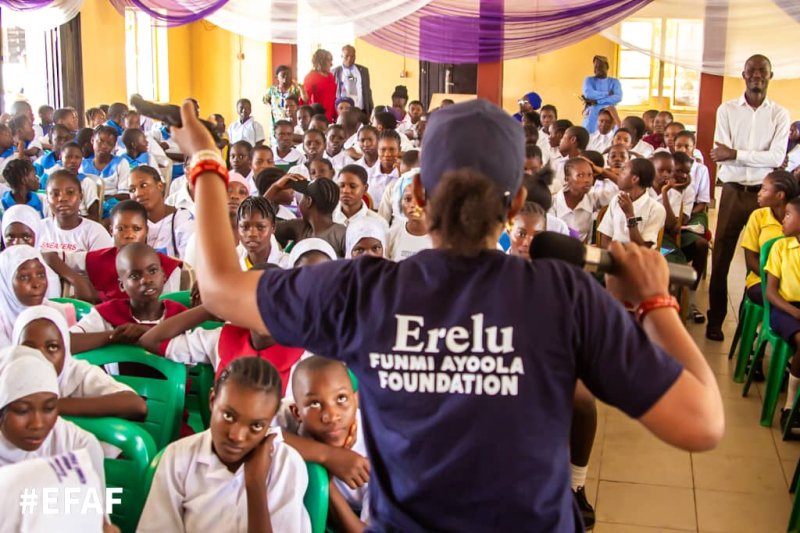
A preventive education initiative delivering lectures and sensitization sessions on drug abuse to students, aimed at promoting informed decision-making, healthy lifestyles, and positive youth development.
Artisan Empowerment and Skills Support Programme
An economic empowerment initiative involving the free distribution of sewing machines to artisans, enabling beneficiaries to enhance productivity, generate income, and achieve self-reliance.
Women Empowerment, Training, and Grant Support Programme
A capacity-building and livelihood support program providing skills training, empowerment workshops, and small grant assistance to underprivileged young women and young widows, fostering entrepreneurship and financial independence.
Entrepreneurship and Basic Hygiene Education Programme
A developmental education initiative offering lectures on entrepreneurship, financial literacy, and basic hygiene practices, equipping beneficiaries with essential life skills, business knowledge, and health awareness.
5. Impact Highlights
- Improved menstrual health awareness and dignity among adolescent girls through the Pad a Girl initiative, supporting confidence, wellbeing, and school attendance.
- Provided food relief and financial assistance to elderly persons, widows, and widowers during festive and religious periods, easing economic hardship and promoting social inclusion.
- Enhanced learning conditions by distributing exercise books to students and first aid boxes to schools under the Knowledge is Power education support initiative.
- Supported vulnerable Muslim households through Ramadan palliative distributions, strengthening community cohesion and faith-sensitive humanitarian response.
- Increased awareness of the dangers of drug abuse among students through targeted sensitization lectures, encouraging healthier lifestyles and positive youth behaviour.
- Promoted economic self-reliance by equipping artisans with sewing machines, enabling improved productivity and income generation.
- Empowered underprivileged young women and young widows through skills training, empowerment sessions, and grant support, fostering entrepreneurship and financial independence.
- Strengthened entrepreneurial capacity and life skills through lectures on entrepreneurship, financial literacy, and basic hygiene practices.
- Built strong partnerships with schools, community leaders, and local organizations, enhancing program effectiveness, reach, and sustainability.
6. Partnerships and Collaborations
EFAF works collaboratively with:
- Community-based organizations
- Educational institutions
- Faith-based and social groups
- Development partners, private sector actors, and donors
These partnerships enhance program reach, strengthen implementation capacity, and promote sustainability.
7. Governance and Leadership
The Foundation is guided by a committed leadership and governance structure that ensures strategic direction, accountability, and effective oversight.
Founder / Chairperson: Erelu Funmi Ayoola
Management, Programme, and Volunteer Team: Dedicated professionals and volunteers with strong expertise in community development and social impact delivery.
8. Monitoring, Evaluation, and Accountability
EFAF applies transparent monitoring and evaluation frameworks to:
- Track program outputs and outcomes
- Measure impact and effectiveness
- Ensure accountability to stakeholders
- Inform learning and continuous improvement
9. Sustainability and Future Direction
The Foundation’s sustainability strategy focuses on:
- Expanding leadership development and fellowship programs
- Increasing geographic coverage of community outreach initiatives
- Strengthening institutional and donor partnerships
- Building internal capacity and sustainable funding mechanisms